Meta Quest 3 vs Apple Vision Pro
The Battle for Spatial Computing.
Read More
 Reviews
 Reviews
 Reviews
 Reviews
Should You Buy or Skip? The Google Pixel 9 remains a compelling compact flagship in 2026, delivering excellent cameras, clean software, and reliable daily performance at significantly reduced prices.
Read More Reviews
Imagine mid-meeting in Tokyo, your Honor Magic 8 Pro whispering real-time translations into your earbud, notes auto-summarizing via Gemini Live, while split-screen workflows juggle emails and slides—seamless chaos turned triumph.
Read More Reviews
Launched in early 2024, with major rollouts in 2025, it starts at $16,000 for the base model. Key highlights include 23 degrees of freedom (DoF) for fluid motion, integrated Grok-like AI for learning, and quick-release battery. It's a pioneer in affordable autonomy, excelling in agility like backflips
Read More Reviews
Powered by Snapdragon 8 Elite (second-gen 3nm), the Magic 7 Pro hits Geekbench 6 scores of 3200 single/10200 multi—above average for 2025 flagships, edging OnePlus 13 by 5% in CPU tasks.
Read More Reviews
That's the Sony Xperia 1 VII in action, Sony's 2025 flagship blending Alpha camera prowess with Walkman audio soul. Announced May 13, 2025, and released June 4, it starts at $1,399/£1,399 for 256GB.
Read More Reviews
That's the Oppo Find X9 Pro in action, Oppo's bold 2025 flagship blending MediaTek muscle with camera sorcery
Read More Reviews
Honor's flagship book-style foldable released in July 2024, now thriving in November 2025 with MagicOS 8.1 updates teasing Android 16 integration. Starting at $1,299 for 12GB/256GB, this 4.35mm-thin marvel weighs just 226g, blending premium vegan leather with aerospace-grade fibers.
Read More Reviews
The Meta Quest 3S, Meta's affordable standalone VR/AR headset, makes this accessible.
Read More Reviews
Motorola Razr Ultra 2025, Motorola's flagship flip phone, blending retro flair with cutting-edge tech
Read More Reviews
Samsung's premium foldable flagship, announced July 2025, starts at $1,999. This productivity beast packs Snapdragon 8 Elite, 200MP cam, and dual AMOLED displays.
Read More Reviews
Imagine gesturing to summon holographic meetings in your living room, where digital avatars blend seamlessly with physical reality, and virtual worlds respond to a flick of your wrist. This is the promise of mixed reality, embodied by the Samsung Galaxy XR.
Read More Reviews
Figure 02 glides in, folds fresh laundry while chatting about grandma’s pasta recipe, its voice warm, hands precise—no spills, no fuss. "Need tweaks for gluten-free?" it asks, pivoting to load the dishwasher.
Read More Reviews
The HTC Vive XR Elite, developed by HTC, is a standalone mixed-reality headset with optional PC tethering. It features a convertible design that detaches into glasses mode for portability, blending VR immersion with AR via color passthrough.
Read More Reviews
The Microsoft HoloLens 2, developed by Microsoft, is a standalone augmented-reality headset designed for enterprise applications such as remote assistance, training, and design collaboration. It uses optical see-through technology for real-world overlays without video passthrough.
Read More Reviews
The Magic Leap 2, developed by Magic Leap, is a standalone AR headset designed for industrial and professional applications, such as design and training. Powered by an AMD Zen 2 processor, it overlays digital content on the real world with tethered compute options.
Read More Reviews
The Meta Quest Pro, developed by Meta, is a standalone mixed-reality headset designed for productivity and collaboration. It blends VR and AR seamlessly, powered by the Snapdragon XR2+ chipset, and supports wireless PC tethering for enhanced applications.
Read More Reviews
The Pimax Crystal, developed by Pimax, is a PC-tethered VR headset designed for maximum field of view and clarity in high-end simulations and gaming. It requires a robust PC to push boundaries with swappable optics and ultra-wide visuals.
Read More Reviews
The Sony PlayStation VR2, developed by Sony Interactive Entertainment, is a PC/console-tethered VR headset designed for high-fidelity gaming and simulations.
Read More Reviews
The Varjo XR-4, developed by Varjo, is a PC-tethered mixed-reality headset designed for professional simulations and training.
Read More Reviews
The Bigscreen Beyond, developed by Bigscreen Inc., is a PC-tethered VR headset designed for minimalism and optical excellence. It is ideal for immersive virtual desktops and gaming, offering a lightweight, SteamVR-compatible experience that requires a high-end PC for optimal performance.
Read More Reviews
The Xreal Air 2 Ultra, developed by Xreal (formerly Nreal), is a phone-powered AR glasses device that delivers spatial computing via an external USB-C tether to Android, iOS, or PC. These lightweight AR specs project virtual screens in real space, making them ideal for travelers, creators, and professionals who need portable productivity.
Read More Reviews
The 1X Neo is the latest entry in the burgeoning field of consumer humanoid robots, developed by California-based 1X Technologies. – A Promising But Privacy-Compromised Home Helper
Read More Reviews
The Meta Quest 3, developed by Meta Platforms' Reality Labs, is a standalone VR/MR headset that delivers untethered immersion without requiring a PC or phone. Running on Meta Horizon OS (Android-based), it supports native apps and wireless PC streaming via Air Link.
Read More Reviews
Introduction: Redefining Foldable Productivity The OnePlus Open, launched in October 2023, is OnePlus’s first foldable flagship, designed to outperform competitors like the iPhone 16 Pro Max and Galaxy Z Fold6. With a 7.82-inch Flexi-Fluid AMOLED inner display, Snapdragon 8 Gen 2 chipset, and a Hasselblad-tuned 48MP triple-camera system, it targets multitaskers, photographers, and early adopters. Priced at $1,699 (512GB), it promises four years of OS updates, IPX4 splash resistance, and a hinge rated for 1 million folds
Read More Reviews
The Apple Vision Pro, developed by Apple Inc., is a groundbreaking standalone mixed-reality (MR) headset that merges VR immersion with AR overlays.
Read More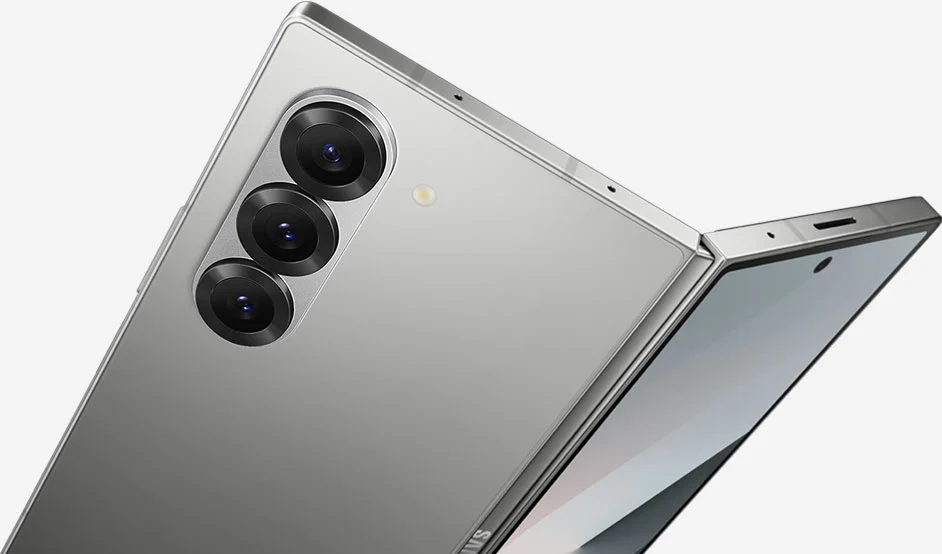 Reviews
The Samsung Galaxy Z Fold6, launched in July 2024, is Samsung’s most refined foldable flagship, designed to outpace the iPhone 16 Pro Max with its 7.6-inch inner AMOLED display, Snapdragon 8 Gen 3 for Galaxy, and Galaxy AI 2.0.
Read More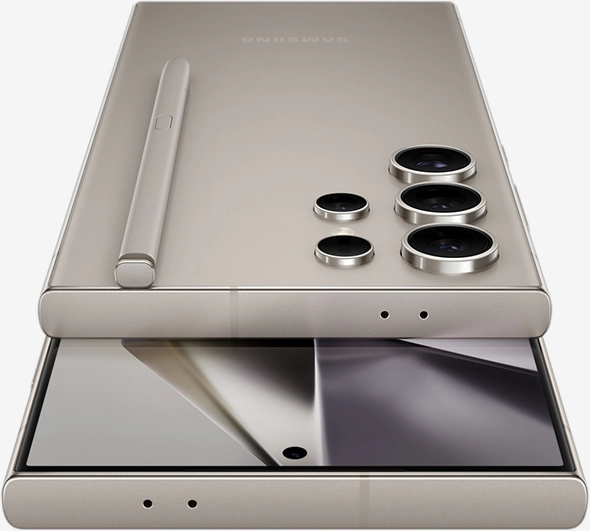 Reviews
The Samsung Galaxy S24 Ultra, launched in January 2024, is Samsung’s most advanced flagship, designed to challenge the iPhone 15 Pro Max with its 200MP camera, Snapdragon 8 Gen 3 processor, and integrated S Pen.
Read More Reviews
The Oppo Find X8 Pro, launched in October 2024, redefines flagship Android smartphones with its Hasselblad-tuned quad-camera system, MediaTek Dimensity 9400 processor, and massive 5,910mAh silicon-carbon battery. Priced at $1,099 (256GB), it competes directly with the iPhone 16 Pro Max and Galaxy S24 Ultra.
Read More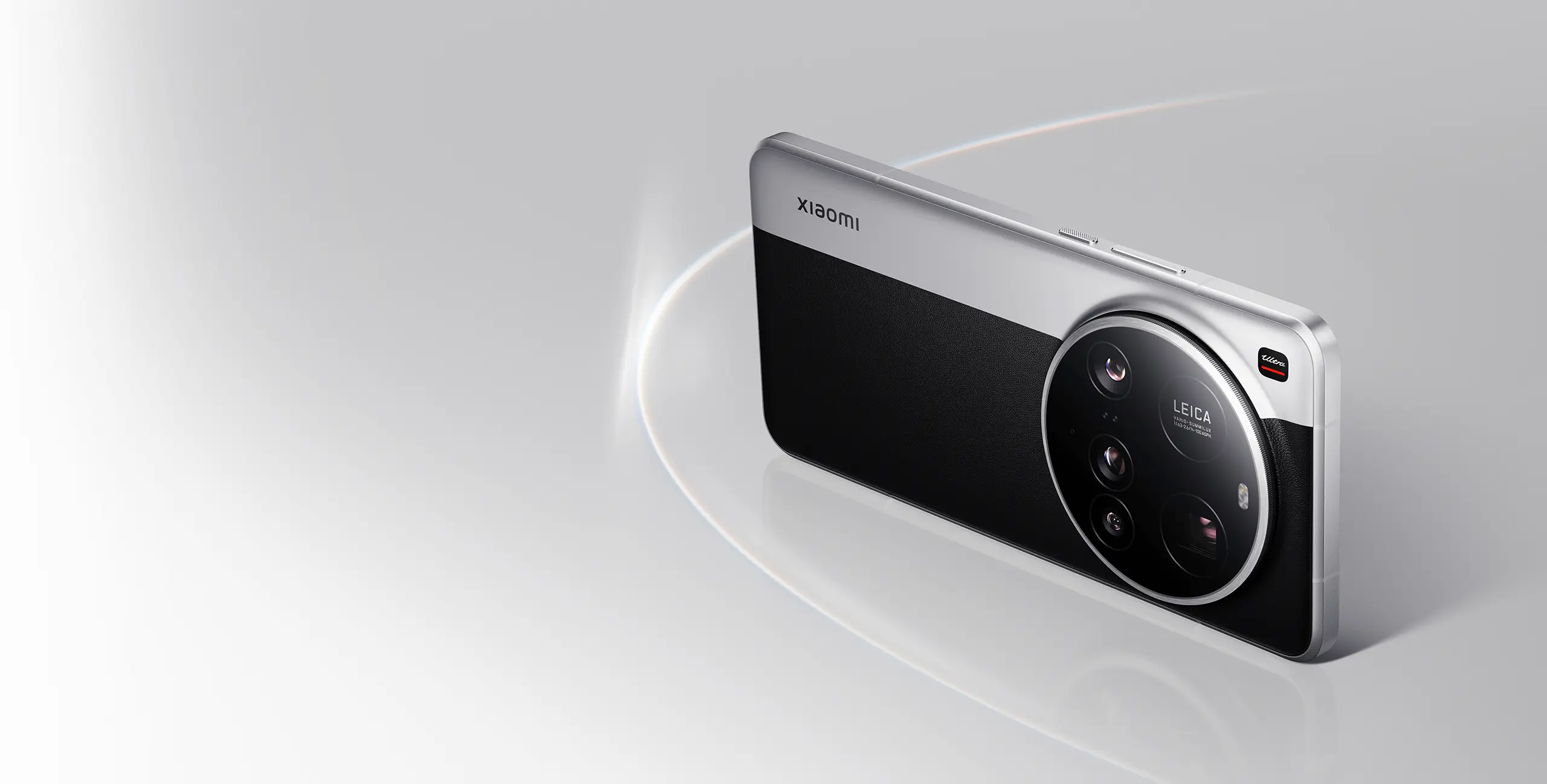 Reviews
The Xiaomi 15 Ultra is Xiaomi’s most ambitious flagship yet, positioning itself as a photography-first powerhouse that challenges Samsung, Apple, and Google in the ultra-premium segment. Launched in February 2025, this device features a revolutionary Leica Summilux quad-camera system, Snapdragon 8 Elite processor, and a stunning 6.73-inch AMOLED display with 3,200 nits peak brightness.
Read More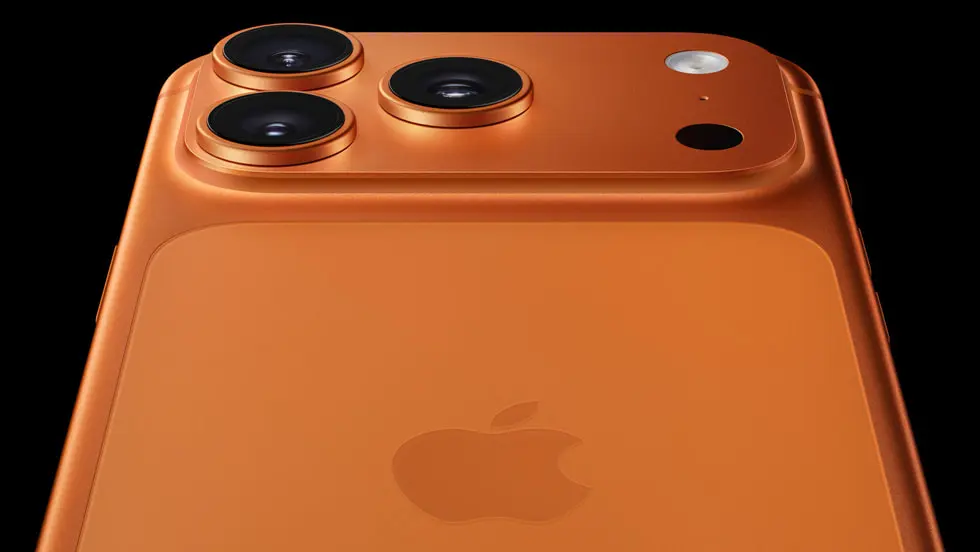 Reviews
The iPhone 17 Pro is a refined flagship, excelling in battery life, thermal efficiency, and camera performance. It’s ideal for filmmakers, professionals, and Apple loyalists who prioritize endurance and seamless integration. While it lacks 8K video and ultra-fast charging, its $1,099 price (with trade-in deals) offers strong value for long-term users.
Read More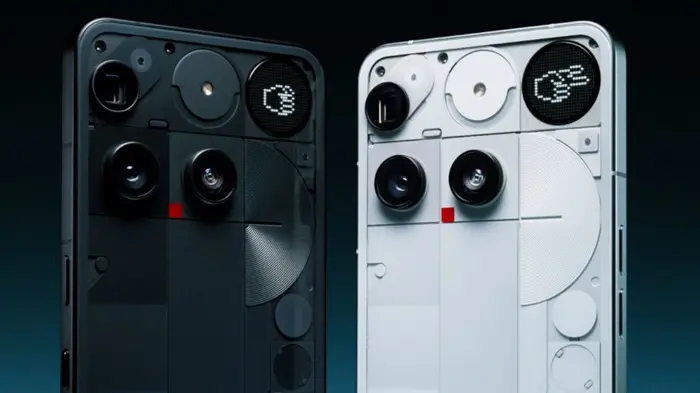 Reviews
Discover the Nothing Phone 3, a mid-premium smartphone with a Glyph Matrix LED back, Snapdragon 8s Gen 4 chip, and all-50MP cameras. Explore its 6.7-inch 120Hz AMOLED display, 5,150mAh battery, and unique design in this detailed review.
Read More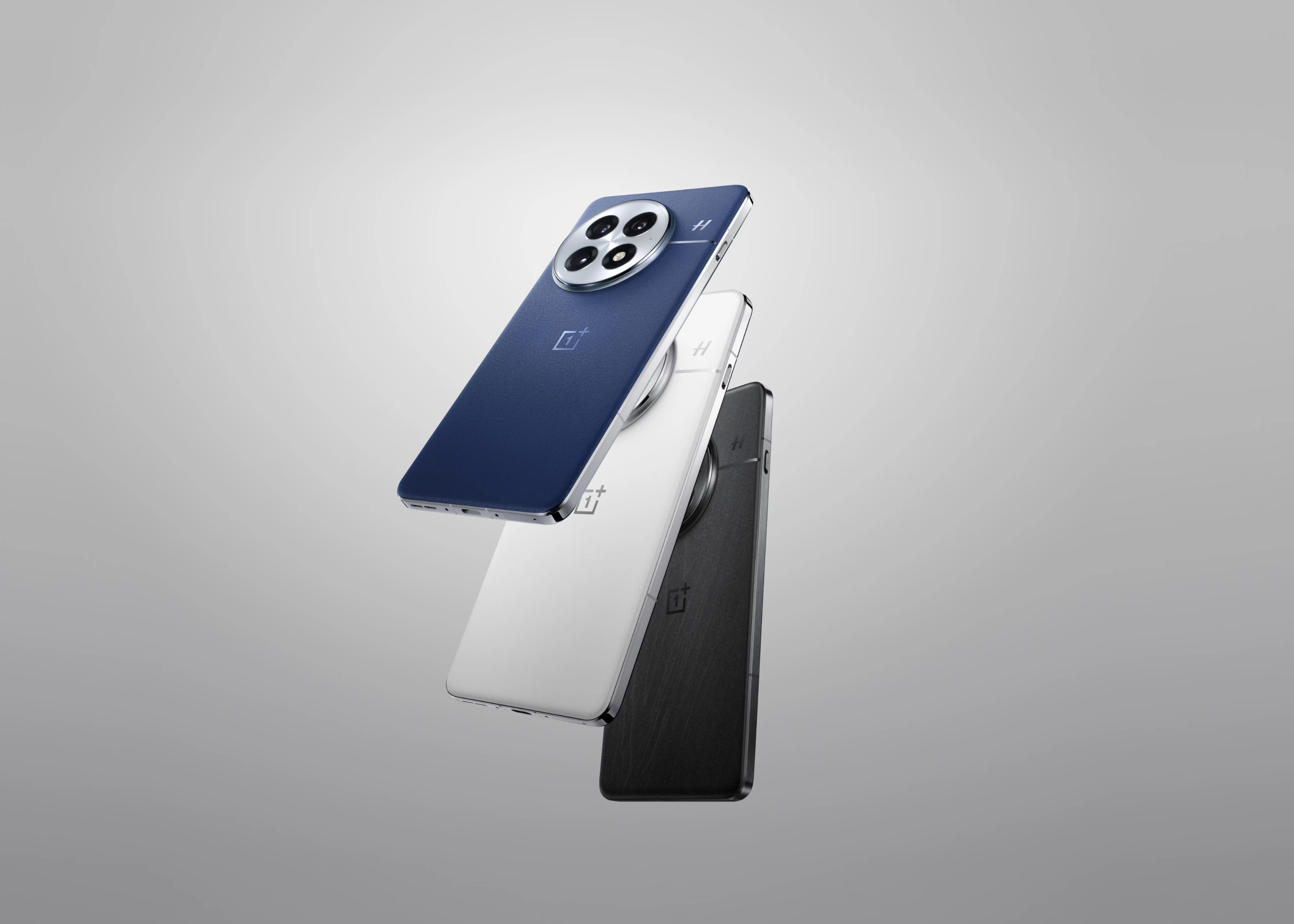 Reviews
The OnePlus 13 is a top-tier Android workhorse—ideal for gamers, travelers, and creators. While software support lags behind Google/Samsung, its battery life, performance, and value make it a standout choice.
Read More Reviews
In the hyper-competitive 2025 flagship arena, the Xiaomi 17 Pro Max bursts onto the scene as a bold, feature-packed powerhouse for creators, gamers, and battery obsessives who demand versatility without the premium price tag.
Read More Reviews
The Google Pixel 9 Pro blends compact design, AI-powered cameras, and a vibrant 6.3-inch display to deliver a premium 2025 flagship experience. With Tensor G4, stellar photography, and all-day battery life, this review explores if its $999 price tag lives up to the hype for photographers and Android purists.
Read More Reviews
Samsung Galaxy S25 Ultra emerges as the ultimate Android powerhouse.
Read More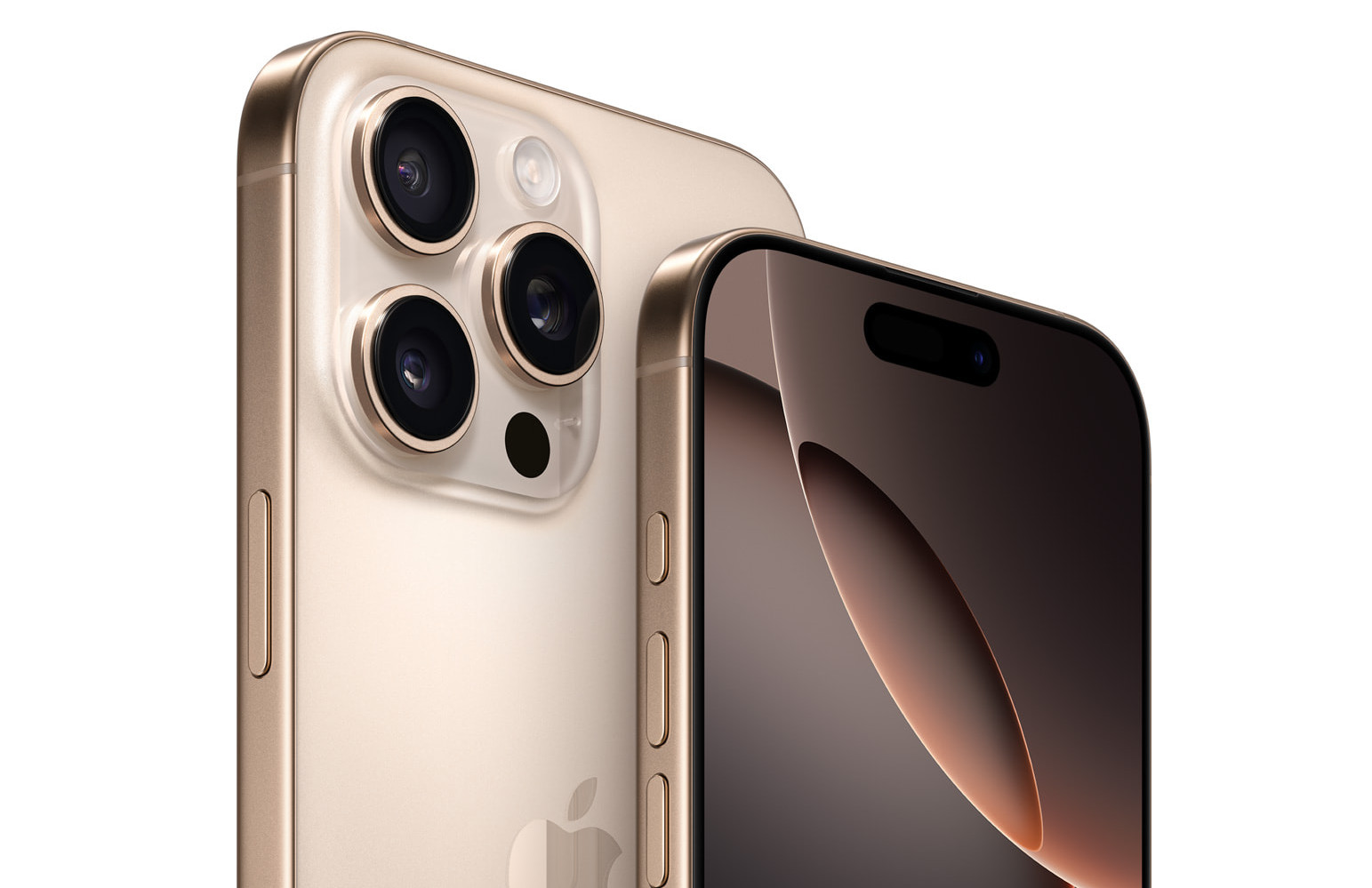 Reviews
iPhone 16 Pro Max emerges as Apple's premium powerhouse, tailored for power users, photographers, and those who demand excellence.
Read More