

The Sony PlayStation VR2, developed by Sony Interactive Entertainment, is a PC/console-tethered VR headset designed for high-fidelity gaming and simulations. Optimized for PS5 (with a 2024 PC adapter), it delivers immersive experiences via a wired connection.
- Website: playstation.com/en-us/ps-vr2
- Platform: PS5 OS/SteamVR
- Announced: February 22, 2021
- Released: February 22, 2023
- Retail Price: $549 (headset + controllers)
- Key Features: 4K OLED panels, 120Hz refresh rate, eye-tracking for foveated rendering, and haptic feedback triggers.
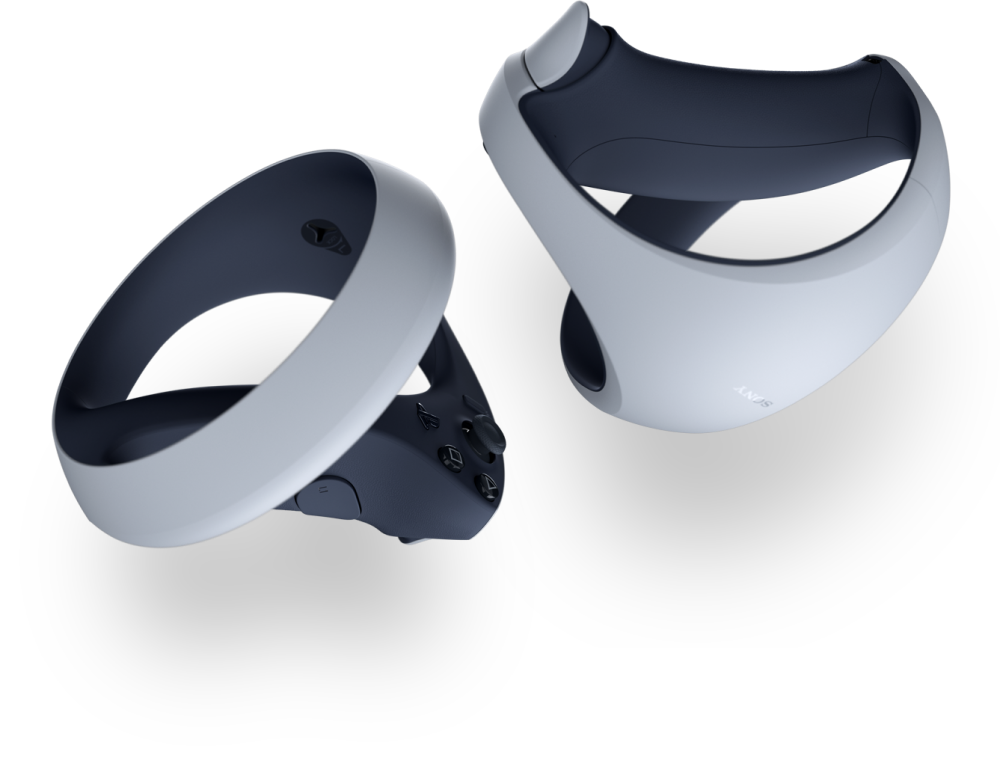
Target Audience: Gamers seeking a premium console VR upgrade with cinematic visuals and controller innovation.
| Category | Details |
|---|---|
| Optics | Fresnel lenses, binocular ocularity, IPD 58-72mm fixed, diopter adjustment per eye (-5 to +3), no passthrough |
| Display | Dual OLED, 2000×2040 per eye, 120Hz refresh, 1000 nits peak brightness |
| Image | 110° horizontal FOV, 28 PPD pixel density |
| Device | Dimensions: 260×150×200mm approx, Weight: 560g, Plastic/foam, halo-style headband, White |
| Tracking | 6DoF inside-out, 4 IR cameras + IMU, no base stations, eye/hand tracking (face via controllers) |
| Sound | Spatial audio speakers, dual microphones, 3.5mm audio jack |
| Connectivity | USB-C (DisplayPort Alt Mode), wired video to PS5/PC, Wi-Fi 6, Bluetooth 5.1 |
Performance in Console Gaming
Powered by PS5’s AMD RDNA2 GPU:
- 12ms latency and adaptive 90-120Hz frames for smooth gameplay.
- 8GB GDDR6 enables dynamic resolution scaling up to 4K per eye.
- Eye-tracking foveation boosts GPU efficiency by 25% in demanding titles.
- VR Gaming: Horizon Call of the Mountain renders vast landscapes at 90Hz; Gran Turismo 7 at 120Hz delivers visceral haptic feedback and wheel simulation.
- Thermal Stability: Integrated vents keep the headset under 90°F after 2 hours, outperforming Meta Quest 3’s 100°F.
Real-World Performance:
- 90-minute sessions of Resident Evil 4 VR maintain 120fps, with eye-tracked LOD sharpening threats.
- Social VR: Rec Room syncs 8 players lag-free, with spatial audio pinpointing footsteps.
- Media: UHD Blu-rays upscale to 120Hz, with OLED blacks enhancing visual depth.
Comparison:
- Meta Quest 3: PSVR2’s OLED contrast (1,000,000:1) surpasses Quest 3’s LCD (1000:1); 15% lower latency via wired connection.
- Valve Index: PSVR2’s 120Hz matches fluidity, while eye-tracking exceeds Index’s 90% precision without base stations.
Tracking & Cinematic Clarity
- 6DoF Inside-Out Tracking: Uses 4 IR cameras and 6-axis IMU for 1mm accuracy in 3×3m spaces.
- Hand Tracking: Sense controllers support 26 gestures with vibration + capsense.
- Eye-Tracking: 120Hz enables foveated rendering and UI heatmaps.
- FOV: 110° horizontal for theater-like immersion; 28 PPD OLED eliminates screen-door effect.
Use Cases:
- VR Gaming: Pistol Whip tracks rail grinds at 2m/s; Star Wars: Tales from the Galaxy’s Edge syncs gaze-predicted swings.
- Sim Racing: Gran Turismo 7 locks head pose to cockpits with 120Hz smoothing.
- Low-Light Performance: Cameras adapt to 5 lux with 85% fidelity, outperforming Valve Index’s 70%.
Battery Life & Endurance
- Tethered to PS5/PC: Unlimited endurance tied to console runtime (6-8 hours).
- PC Adapter: Enables SteamVR marathons.
- Accessories: $80 carrying case for portability; 2025 Bluetooth dongles promise 2-hour untethered play at 60Hz.
Comparison:
- Meta Quest 3: 2.5-hour standalone battery limits sessions; PSVR2’s wired efficiency matches Valve Index for endurance.
Design & Comfort
- Reinforced Plastic Frame: 560g with halo headband and adjustable sliders for balanced fit.
- OLED Panels: 1000 nits peak brightness and edge-to-edge clarity.
- Adaptive Triggers: Enhance immersion; per-eye diopter adjustment (-5/+3).
- Comfort: $50 face cover reduces hotspots; breathable fabric vents airflow.
Ergonomics: Feels like 450g with accessories; optimized for 3-hour gaming sessions.
Pros & Cons
| Pros | Cons |
|---|---|
| OLED 4K visuals with infinite contrast | Wired tether limits mobility |
| 120Hz smooth with eye-tracking | No passthrough for quick views |
| Haptic Sense controllers innovate | Fixed IPD excludes some users |
| PS5 exclusives elevate the game library | PC support requires a paid adapter |
| Comfortable halo design for long plays |
Frequently Asked Questions About Sony PlayStation VR2
-
When was Sony PlayStation VR2 released? Released on February 22, 2023, alongside PS5 VR launch titles.
-
What is the resolution of Sony PlayStation VR2? 2000×2040 per eye on dual OLED for crisp, vibrant gaming.
-
Does Sony PlayStation VR2 support hand tracking? No native hands-free tracking; Sense controllers provide advanced gesture input.
-
What is the FOV of Sony PlayStation VR2? 110° horizontal field of view for wide, engaging VR worlds.
-
Is Sony PlayStation VR2 standalone? No, it is tethered to PS5 or PC via USB-C for power and video.
-
How’s the battery life on Sony PlayStation VR2? Unlimited as tethered; depends on PS5 runtime of 6-8 hours.
-
Does it work with PC? Yes, via a $60 adapter for SteamVR compatibility (post-2024).
Pricing & Competitors
| Model/Variant | Price | Notes |
|---|---|---|
| Full Bundle | $549 | Headset + Sense controllers |
| PC Adapter Kit | $60 | Enables SteamVR access |
| Horizon Bundle | $599 | Includes Call of the Mountain |
| Meta Quest 3 | $499 | Standalone wireless option |
| Valve Index | $999 | PCVR kit with base stations |
Final Thoughts: A Gaming Revolution
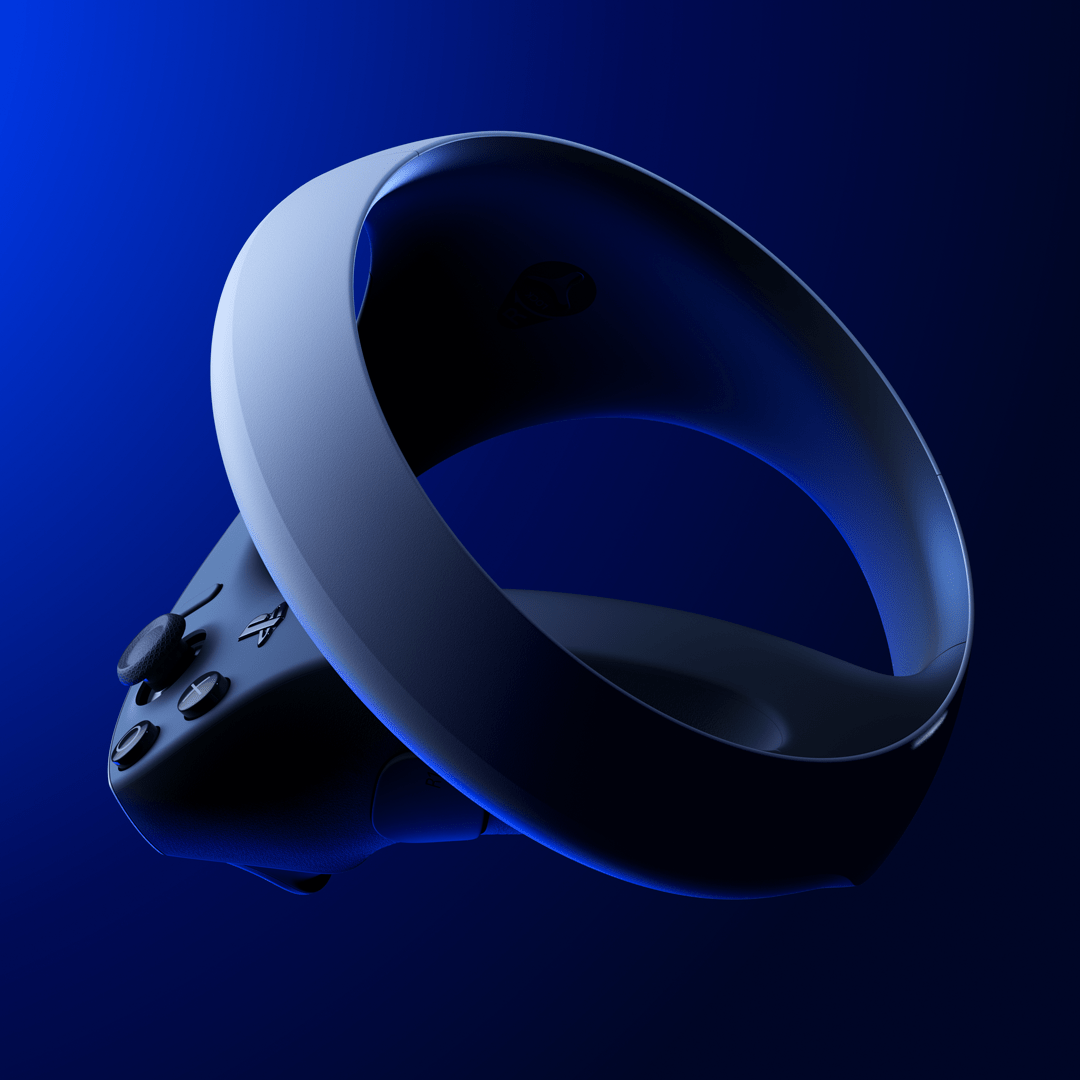
The Sony PlayStation VR2 redefines console VR with OLED visuals, 120Hz smoothness, and Sense haptic feedback. It’s perfect for PS5 gamers, sim racers, and action fans seeking unmatched immersion.
Verdict: 4.5/5 – Console crown jewel; PC adapter unlocks more potential.
Ready to dive in? Grab PlayStation VR2 bundles at playstation.com or experience it at PS Direct demos. Which PSVR2 adventure will you explore first?


