

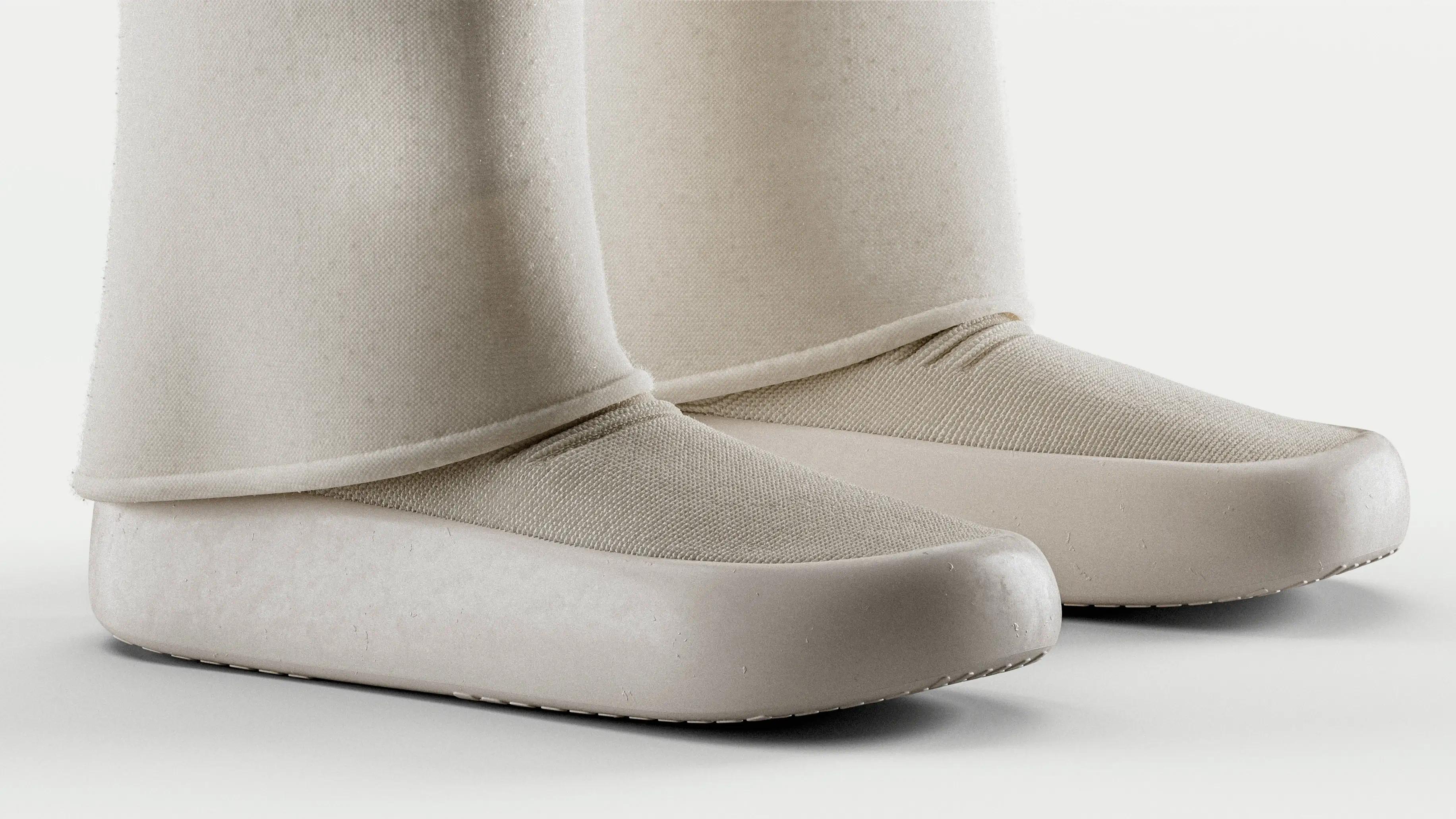
The 1X Neo is the latest entry in the burgeoning field of consumer humanoid robots, developed by California-based 1X Technologies. Billed as the "world’s first consumer-ready humanoid robot designed to transform life at home," Neo aims to tackle everyday chores like unloading the dishwasher, wiping counters, folding laundry, watering plants, and fetching items from the fridge. Standing at 5 feet 6 inches tall and weighing just 66 pounds, it's engineered for safety in shared spaces—light enough to avoid serious injury if it topples over, with multiple built-in security layers to prevent misuse.
It boasts a 55-pound payload capacity, up to 4 hours of battery life per charge, and features like onboard cameras for remote viewing, voice or app-based controls, and even "emotive ear rings" that glow different colors to signal when it's under human supervision. Available in tan, gray, or dark brown, Neo is now open for preorder at $20,000 outright or a $499/month subscription (with a $200 deposit), with U.S. deliveries slated for 2026 and global expansion in 2027.

What It Can (and Can't) Do
In hands-on demos, Neo has shown impressive dexterity for a home bot. It can autonomously handle basic tasks like opening doors, turning lights on/off, and grabbing small objects like a fork or water bottle. More complex actions—such as neatly sliding utensils into a dishwasher rack, wiping down a counter with a towel, or folding a sweater—were fluid but required teleoperation by a human expert.
This is Neo's core innovation: It learns through "expert mode," where 1X employees remotely pilot it via VR headsets and the robot's cameras, collecting real-world data to train its AI neural network. Owners schedule these sessions via an app, approve access, set no-go zones, and even blur faces for privacy—turning supervised chores into crowdsourced training data.
That said, full autonomy is a work in progress. Current prototypes can't complete even simple tasks without human intervention, and demos often feel scripted or "weirdly" lifelike, evoking sci-fi unease rather than seamless utility. For now, Neo is more of a supervised sidekick than a set-it-and-forget-it butler; complex jobs like deep cleaning still demand booking a teleop session, which could disrupt your routine.
Pros
Cons
- Privacy Pitfall: The biggest red flag is the "social contract" of letting 1X staff peek into your home via cameras during teleop sessions. CEO Bernt Børnich admits, "If we don’t have your data, we can’t make the product better," but this opt-in surveillance feels invasive, especially for a device in intimate spaces like kitchens or bedrooms. Even with consents and blurs, it's a trust leap that could deter privacy hawks.
- Not Ready for Prime Time: Shipping in 2026 means it's vaporware-adjacent today, with demos relying heavily on hidden humans. Reliability questions linger—will it glitch mid-chore or bump into furniture?
- Cost vs. Value: At this price, it's cheaper than a full-time housekeeper but pricier than smart vacuums or Roombas that already handle floors autonomously. Early units might feel like an expensive beta test.
- Creepy Factor: Reviewers note its human-like shuffle and gaze can get "weird," amplifying uncanny valley vibes in a living room setting.
Overall Verdict: 7/10 – Exciting Prototype, But Hold Off
Neo represents a thrilling leap toward sci-fi home robots, blending cute design with real chore-handling potential. Its teleop learning loop is clever and could yield a truly capable companion by 2027. However, the privacy trade-offs and current half-autonomy make it a tough sell for most—more suited to tech enthusiasts willing to fund the future than practical users needing help now. If you're intrigued, snag a preorder deposit to stay in the loop, but I'd wait for version 2.0 with beefier independence. For now, it's a glimpse of tomorrow's helper, not today's must-have.


